‘Tip Of The Iceberg’: Iran Mocks US As Pentagon Seeks $200 Billion More For War
Iran’s foreign minister sharply criticized the Pentagon’s reported request for more than $200 billion in supplemental funding for the ongoing U.S.-Israel-Iran conflict, calling the sum “the tip of the iceberg” and warning that American taxpayers face a looming economic burden.
“We’re only three weeks into this war of choice, imposed on both Iranians and Americans,” Foreign Minister Seyed Abbas Araghchi posted on X on Thursday.
“Ordinary Americans can thank Benjamin Netanyahu and his lackeys in Congress for the trillion-dollar ‘Israel First tax’ that’s about to hit the U.S. economy.”
In an interview with Al Jazeera earlier this week, Araghchi stated that Washington did not initially have a firm plan to enter the war, but was drawn in by Israel’s Prime Minister Netanyahu. He also suggested U.S. citizens are bearing the burden of the war because of the U.S. authorities’ ‘Israel first’ mentality.
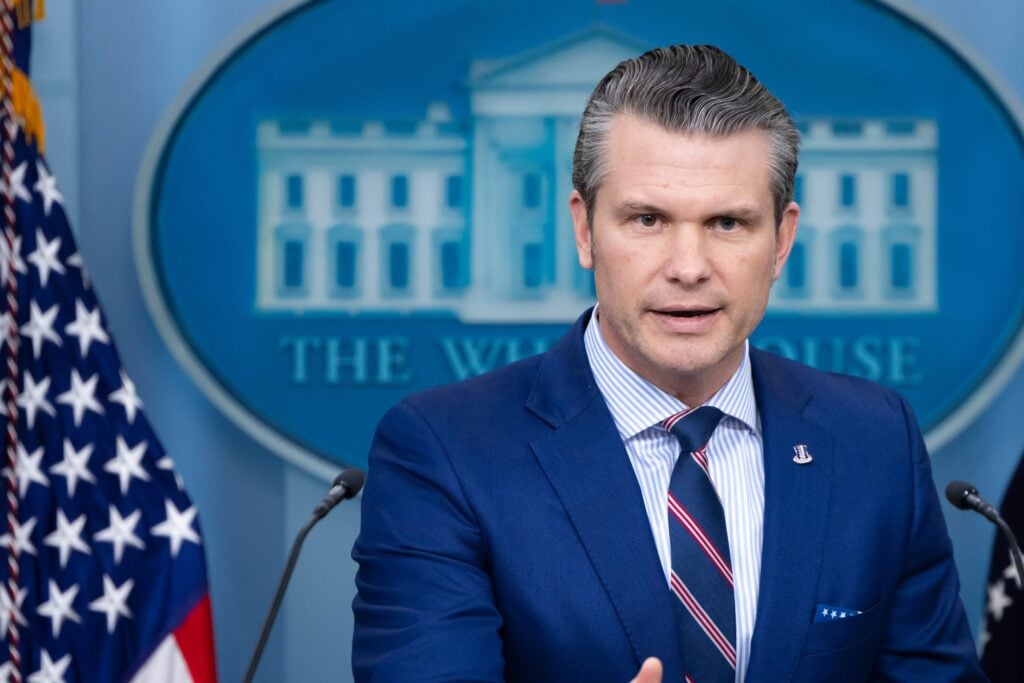
Hegseth Says ‘It Takes Money To Kill Bad Guys’
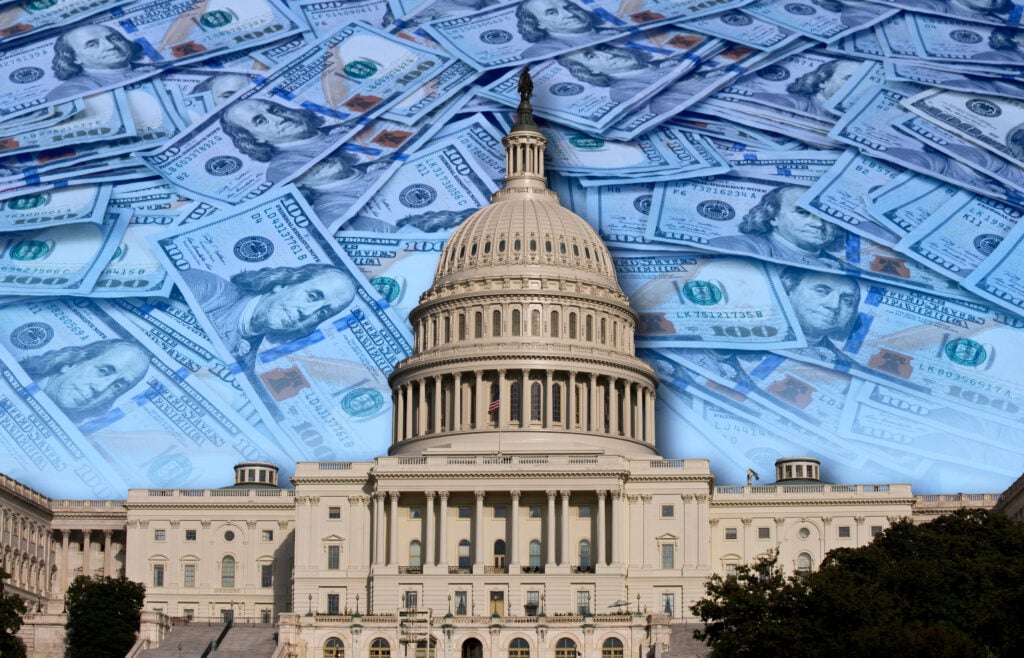
A U.S. official told Reuters that the Pentagon has asked the White House to approve a more than $200 billion request to Congress to fund the war in Iran.
Defense Secretary Pete Hegseth defended the move Thursday, saying, “Obviously, it takes money to kill bad guys … so we’re going back to Congress … to ensure that we’re properly funded for what’s been done, for what we may have to do in the future.” Hegseth did not confirm the exact figure but said the department must secure funds for ongoing and future operations.
The Pentagon’s briefing to lawmakers also showed the war’s early costs have climbed rapidly. Officials told senators that the first six days of the conflict cost at least $11.3 billion, a figure that did not encompass the total cost of combat.
The funding debate unfolds amid continuing uncertainty over the conflict’s duration. President Donald Trump said that the United States expects to withdraw “in pretty much the very near future,” though he offered no specifics on a post‑conflict plan, highlighting internal contradictions in public messaging about the war’s length.
Can Trump’s Tax Cuts Actually Beat $4 Gas?
Meanwhile, rising gasoline prices are poised to dilute the financial relief expected from increased tax refunds under Trump’s Big, Beautiful Bill Act, analysts and economists have warned.
Continued volatility in oil and gas markets—potentially driven largely by tensions around the Strait of Hormuz—could further strain consumer budgets. Estimates suggest the average household may spend hundreds more on fuel this year, in some cases surpassing expected tax refund gains.
Disclaimer: This content was produced with the help of AI tools and was reviewed and published by Benzinga editors.
Image via Shutterstock